
 Customer Reviews
 FAQ
FAQ Blog
Blog






Rekeying, Master Keys, and Grand Master Keys
Locks are simple in concept and complex in practice. If you manage a small building, a rental, or several commercial suites, you will run into questions about rekeying and master key systems. This guide explains the differences, the trade offs, and the practical steps to keep people and property secure.
I’ll keep this straightforward. You will learn when rekeying makes sense, how master key systems work, and why a grand master key might be useful or risky depending on your situation.
Quick takeaway:
Rekeying changes who can open existing locks using the same hardware. Master key systems let different keys open sets of locks with hierarchical access. Choose the option that matches your security needs and operational habits.

Rekeying versus Replacing, and How Master Keys Work
What is Rekeying?
Rekeying means changing the internal configuration of a lock so old keys no longer work. You keep the same lock body but swap or change the pins inside the cylinder. A locksmith can do this on-site for most residential and many commercial locks.
- When it’s useful: after tenant turnover, lost keys, employee changes, or when you want to limit access without replacing hardware.
- What it costs: usually significantly less than full lock replacement because you keep the lock and only change the internal parts.
- Time: most single-lock rekeys take under 30 minutes for a professional.
Note:
Rekeying does not fix mechanical problems. If a lock is worn or damaged, replacement may be the better long-term choice.
What is a Master Key System?
A master key system lets multiple keys operate a set of locks, while also allowing specific keys to open only certain locks. For example, a tenant key opens one apartment door. A manager key opens every apartment in the building. This works by adding additional pin combinations inside the cylinder so different keys align different sets of pins.
Simple hierarchy:
- Change key: Opens a single lock.
- Master key: Opens all locks within a group.
- Grand master key: Opens multiple master groups.
Grand Master Key Systems
A grand master key sits above several master groups. Think of a small complex with three buildings. Each building has its own master key. The grand master key opens every door in all three buildings. This adds convenience but also concentrates risk. Keep the number of grand master keys low and strictly controlled.
Practical rule:
If losing a single key would put many areas at risk, tighten control or consider access alternatives like electronic access control.

When to Rekey and When to Replace Locks
Choose Rekeying If
- Keys are lost or not accounted for, but hardware is in good working order
- You want consistent keying across multiple locks quickly and affordably
- You need to change access without disrupting occupants
- Lock cylinders are standard and serviceable
Choose Replacement If
- Locks are damaged, corroded, or failing mechanically
- You need high security cylinders that are not compatible with rekey kits
- You want to upgrade to restricted or patented key systems
- Existing locks are very old and parts are not available
Cost comparison
Rekeying a residential lock usually costs far less than buying and installing a new lock. For commercial systems, master keying adds design and setup expense. Factor in long-term maintenance and security needs when choosing.

Design, Security, and Best Practices for Master Key Systems
Key Control and Documentation
A master key system is only as safe as the way you manage keys. Keep an accurate log of who has which key. Limit the number of master and grand master keys. When keys are issued, require signatures and set return policies for staff and contractors.
- Use key tracking with dates and holder names
- Consider serialized keys or restricted keyways that require authorization for duplication
- Schedule periodic audits of key holders and access needs
Security trade offs
Master key systems increase convenience but also increase the impact if a key is lost or stolen. The larger the group a key opens, the larger the exposure. For high-risk areas use additional protections such as electronic readers, door alarms, or secondary locks.
Risk example:
A grand master key lost outside of your control can give unrestricted access. Treat grand master keys like top-tier security credentials.
Consider electronic access
If tracking, revoking, and scaling access are priorities, electronic access control can simplify key management. Cards, fobs, and mobile credentials allow fast revocation and create an audit trail. They work well with or instead of traditional master key systems.
How Rekeying and Master Keying Is Done
Rekeying a Single Lock
- Lock is removed or the cylinder is accessed at the door.
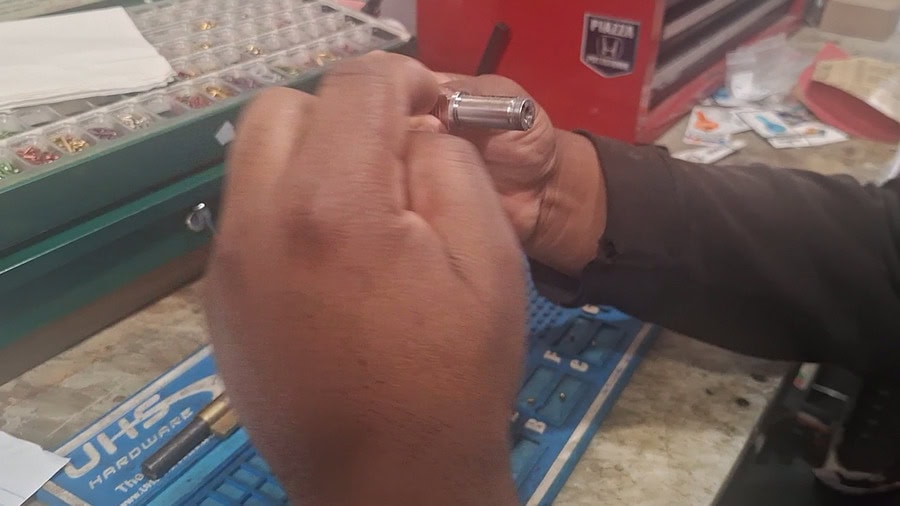
- Locksmith disassembles the cylinder and replaces the pin tumblers to match a new key.
- New key is cut and tested. Old keys will no longer operate the lock.
- Cylinder is reinstalled and operation is confirmed.
Setting up a Master Key System
- Survey all locks and determine groups and access levels.
- Design the keying schedule and record the master key hierarchy.
- Select compatible cylinders or provide rekeying where possible.
- Install or modify cylinders with appropriate pinning to create the hierarchy.
- Issue keys with strict tracking and document the system.
Typical cost ranges
- Single residential rekey: $35 – $50
- Commercial rekey per cylinder: $35 – $50
- Master key system design and setup: Varies widely
- Grand master system for large sites: Varies widely
Costs depend on lock type, number of cylinders, travel, and whether new hardware is needed. Ask for a written estimate and a key control plan.

DIY or Call a Locksmith
When DIY Makes Sense
- Rekeying a simple residential lock if you have the correct kit and experience
- Replacing a worn deadbolt with a like-for-like unit
- Keeping a clear, labeled set of keys and performing audits
DIY tip:
If you try a rekey kit, practice on a spare cylinder first. Mistakes can leave a lock unusable.
When to Hire a Pro
- Designing or expanding a master key or grand master key system
- High-security or restricted keyway cylinders
- Large-scale commercial properties with many locks
- When you need a documented key control plan
Security reminder:
A poorly implemented master key system can increase risk. A qualified locksmith will document pinning and provide secure key blanks when appropriate.
Frequently Asked Questions
Will rekeying stop someone with an old key?
Yes. Rekeying replaces the internal pinning so old keys no longer work. That is the main reason property owners rekey after tenant changes or lost keys.
Can I add master keying later?
Often yes. Many cylinders can be re-pinned to create master keying, but you must plan carefully. Adding master pins can slightly reduce mechanical reliability and increase the number of possible key combinations, so use a locksmith to design the system.
Is a grand master key a single point of failure?
It can be. The more doors one key opens, the greater the risk if it is lost. Use strict controls, limited distribution, and consider alternatives like electronic access where practical.
Need help with rekeying or key systems in Baltimore and Maryland?
If you manage rentals, a small complex, or commercial suites in the Baltimore-Washington corridor, we can help design a key control plan that balances convenience and security. Whether you need a simple rekey or a full master key design, start with a plan and labeled documentation.
• Licensed, bonded, and insured locksmiths
• Master key design and documentation
• Restricted keyway options and key tracking
Service Areas
• Baltimore City
• Baltimore County
• Howard County
• Anne Arundel County
• Carroll County
• Harford County
• Prince Georges County
• Montgomery County
For a free estimate and a simple key control plan, contact us today we document the work and provide labeled keys.

Final Thoughts
Plan First
Think through how many people need access and how often. A clear plan prevents costly rework.
Control Keys
Treat master and grand master keys like high-value items. Limit copies and track who has them.
Consider Upgrades
If key control is critical, consider restricted keyways or an electronic access system for easier revocation and auditing.
Bottom line: Rekeying, master keys, and grand master keys are tools. Used correctly they simplify operations and maintain security. Used poorly they create weak points. If you want help designing a system for your property, a qualified locksmith will map access needs, recommend hardware, and provide a documented key control plan.


